Turmeric
Home | Turmeric
Overview
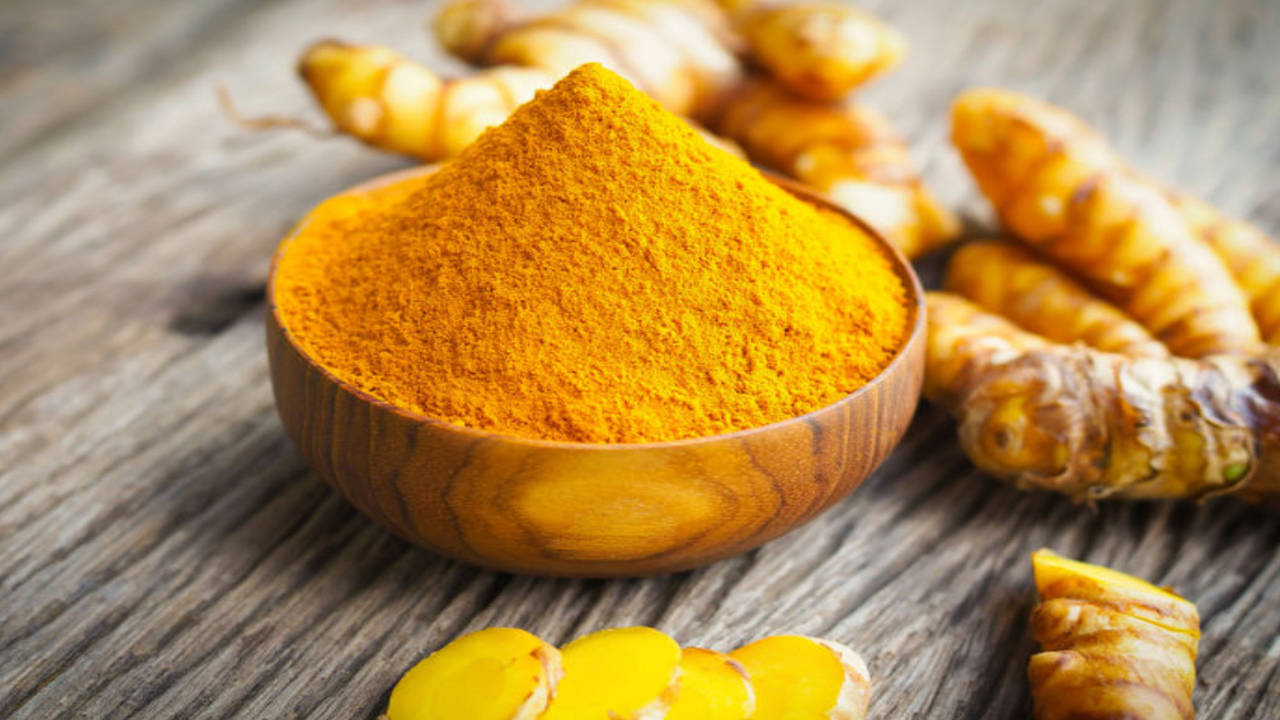
Turmeric
Turmeric, scientifically known as Curcuma longa, is a flowering plant belonging to the ginger family, Zingiberaceae. Native to the Indian subcontinent and Southeast Asia, turmeric is renowned for its bright yellow color and warm, bitter taste. It has been used for thousands of years, both as a culinary spice and for its medicinal properties.
The active ingredient in turmeric is curcumin, which gives it its distinctive yellow color and is responsible for many of its health benefits. Turmeric is a common ingredient in curry powder, imparting a golden hue to dishes. It is widely used in Indian, Middle Eastern, and Southeast Asian cuisines, particularly in curries, sauces, and soups.
Beyond its culinary uses, turmeric has a long history in traditional medicine. It is believed to have anti-inflammatory, antioxidant, and antimicrobial properties. In various cultures, it has been used to treat a range of health issues, from wounds and infections to digestive disorders and respiratory problems. Modern research has also suggested potential benefits of turmeric in managing conditions such as arthritis, Alzheimer's disease, and certain types of cancer, although more studies are needed to fully understand its effects.